


As modern lifestyles become increasingly fast-paced and technology-driven, homeowners are seeking spaces that offer calm, balance, and a deeper connection with nature. In 2026, Biophilic Interior Design is emerging as one of the most influential trends, transforming homes into soothing sanctuaries inspired by the natural world.
More than a decorating style, biophilic design is a philosophy that focuses on improving well-being by bringing natural elements indoors.
Nature as the Main Design Element
The foundation of biophilic interiors lies in creating a strong connection between indoor and outdoor spaces. Large windows, open layouts, natural ventilation, and abundant sunlight are becoming essential features of modern homes.
Designers are incorporating indoor gardens, vertical green walls, and potted plants to add freshness and vitality to living spaces.
These natural elements not only enhance aesthetics but also contribute to a healthier and more relaxing environment.
Earthy Materials and Organic Textures
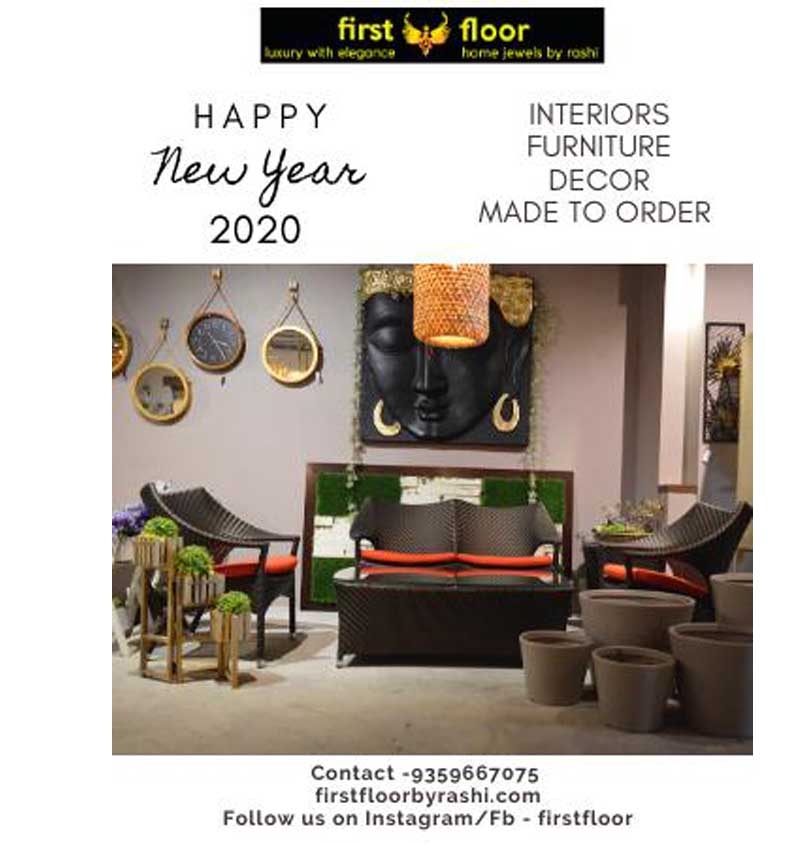
Biophilic interiors celebrate the beauty of natural materials. Wood, bamboo, rattan, stone, clay, and linen are replacing synthetic finishes and creating spaces that feel warm and authentic.
Textured surfaces and handcrafted details add depth and character while maintaining a sense of simplicity and harmony.
The goal is to create interiors that feel grounded, comfortable, and timeless.
A Palette Inspired by the Landscape
Soft greens, warm browns, sandy beiges, terracotta, and muted blues dominate the biophilic color palette. These shades reflect forests, mountains, rivers, and deserts, bringing the calming essence of nature indoors.
Layering these earthy tones creates a peaceful atmosphere that promotes relaxation and emotional well-being.
Wellness-Centered Living
Biophilic design goes beyond aesthetics by prioritizing wellness. Studies suggest that exposure to natural elements can reduce stress, improve concentration, and enhance overall mood.
As a result, homeowners are designing meditation corners, reading nooks, and serene bedrooms that encourage rest and mindfulness.
The modern home is becoming a place for both living and healing.
Sustainable Design for the Future
Biophilic interiors also align with sustainable living. Energy-efficient lighting, eco-friendly materials, reclaimed wood, and locally sourced décor are becoming popular choices among environmentally conscious homeowners.
This approach encourages a deeper appreciation for nature while promoting responsible design practices.
Conclusion
Biophilic Interior Design represents the future of modern living — a perfect blend of beauty, wellness, and sustainability. In 2026, homes are no longer just functional spaces; they are carefully designed environments that nurture both people and the planet.
By bringing nature indoors, biophilic interiors create spaces that feel calm, inspiring, and deeply connected to the world around us.














Your Message