


Fashion is much more than wearing beautiful clothes. It is a powerful form of self-expression that reflects a person's personality, culture, creativity, and lifestyle. Every outfit tells a story about the wearer and represents confidence, identity, and individuality. Fashion continues to evolve with changing trends, technology, and society, making it one of the most dynamic industries in the world.
Fashion has existed for centuries and has changed with every generation. Traditional clothing represents the heritage and customs of different cultures, while modern fashion introduces innovative designs, fabrics, and silhouettes. Today, designers combine traditional craftsmanship with contemporary styles to create unique collections that appeal to people across the globe.
The fashion industry includes many fields such as apparel design, textile design, fashion illustration, merchandising, styling, fashion photography, and retail management. A fashion designer begins by researching current trends, understanding customer needs, selecting suitable fabrics, creating sketches, developing patterns, and finally producing garments. Creativity, technical knowledge, and attention to detail are essential qualities for success in this profession.
Sustainability has become an important part of modern fashion. Many designers now focus on eco-friendly fabrics, ethical production methods, recycling, and upcycling to reduce environmental impact. Consumers are also becoming more conscious about choosing quality products that last longer instead of following fast fashion trends.
Technology has transformed the fashion industry in many ways. Digital fashion illustration, 3D garment visualization, artificial intelligence, and online shopping have changed how designers create and how customers purchase clothing. Social media platforms have also become powerful tools for promoting brands and discovering new fashion trends.
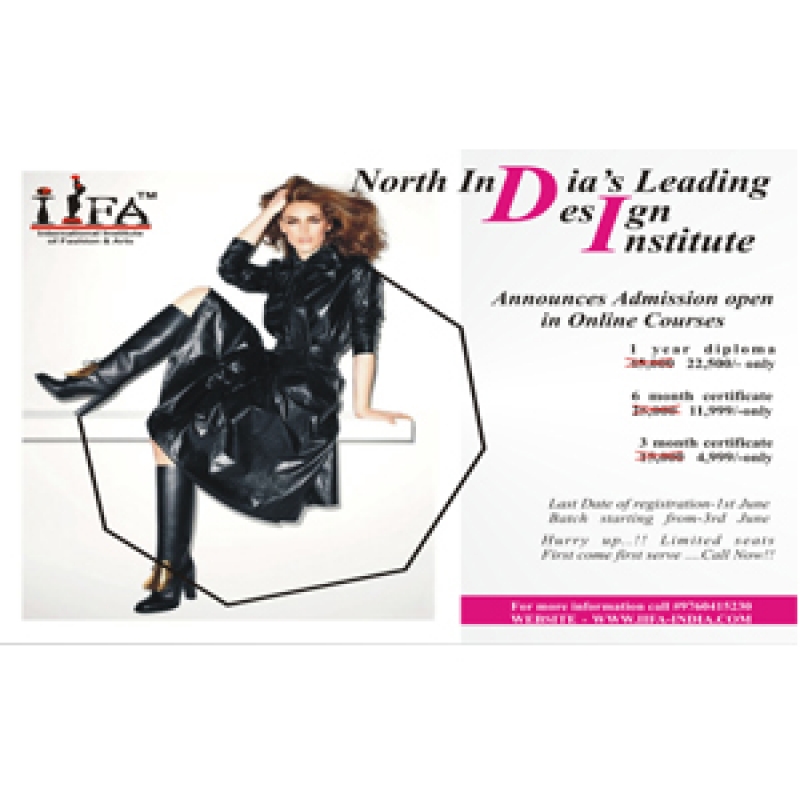
Fashion education plays a vital role in preparing future designers. Students learn garment construction, pattern making, draping, textile science, embroidery, computer-aided design, and fashion marketing. Workshops and practical projects help students improve their creativity and develop professional skills required in the industry.
Fashion is not only about appearance; it also builds confidence and encourages people to express themselves. The right clothing can create a positive impression, improve self-esteem, and communicate professionalism. Whether it is traditional wear, casual clothing, formal attire, or designer collections, fashion allows individuals to celebrate their unique identity.
In conclusion, fashion is a perfect combination of creativity, culture, technology, and innovation. It continues to influence society while providing endless opportunities for designers and entrepreneurs. As the industry moves towards sustainability and digital transformation, fashion will remain an important part of everyday life and a powerful medium for artistic expression.














Your Message